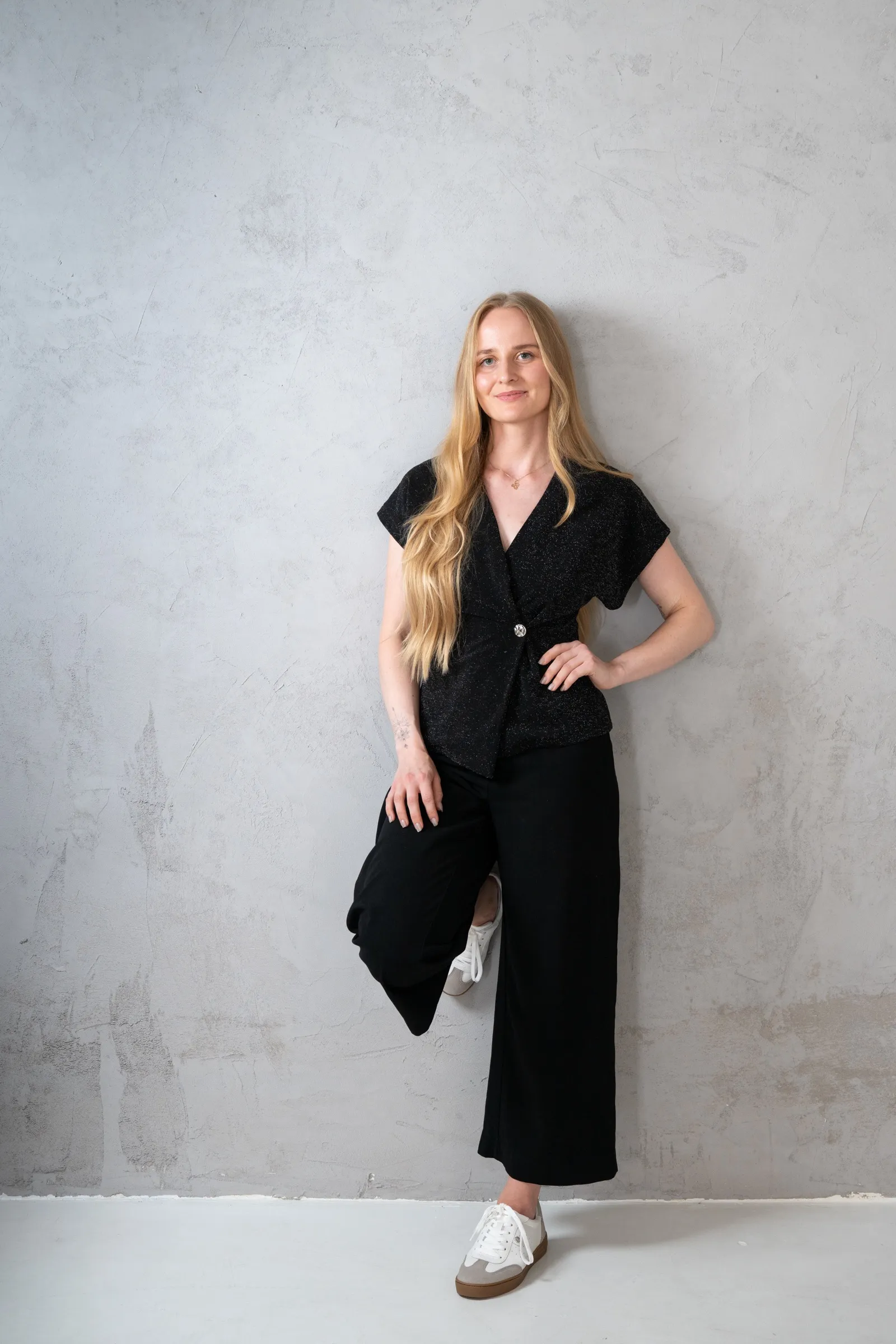
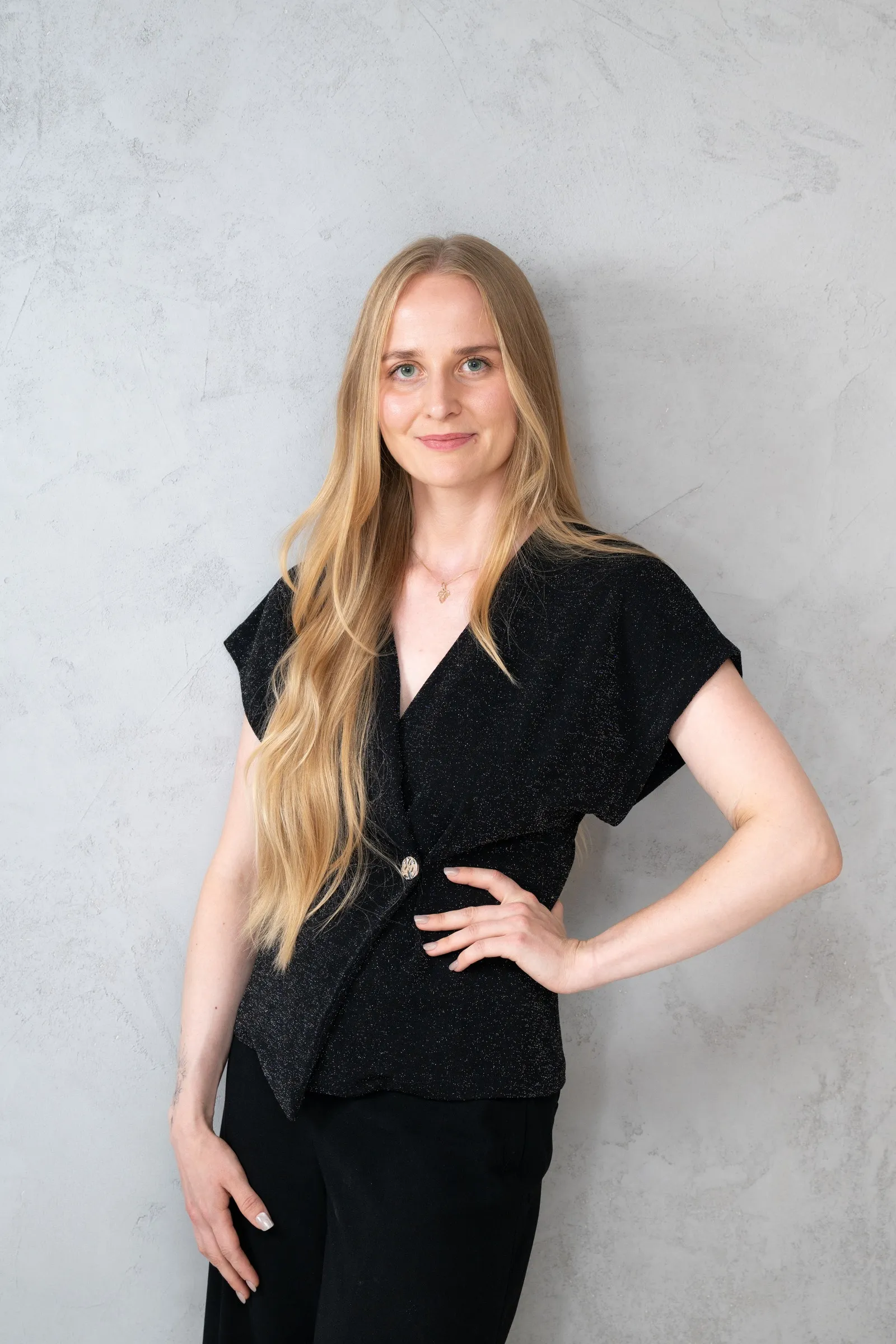
Elizaveta Zaburunova

Elizaveta Zaburunova

Digital Product Design
UX/UI Design Specialist

MSc Human-Computer Interaction
BSc MultiMediaTechnology

Lecturer in Media Design, FH Salzburg

How I work:

Why before Design

Design is decision-making

Design shapes perception.
Perception shapes decisions.

Frame the problem

I start with the question, not the screen: what should this achieve, and for whom?

Find the evidence

Interviews, analytics and observed behaviour show where the real problem sits.

Make the trade-offs

Design means deciding what deserves attention, what supports the goal, and what can be removed.

Measure what changed

Launch is part of the process. I use product data to see whether the decision worked and what needs to change next.

Sharing knowledge

External lecturer in Media Design

WS 24/25 · FH Salzburg · Focus on UX Design

I taught UX foundations, usability heuristics and interface design, and guided students through practical design challenges until the theory met real user needs.
What I reach for

Every context needs different skills from my toolkit.

Research & Psychology

01 / 07
  • User ResearchURHow real behaviour is understood
  • Usability TestingUTHow designs prove themselves
  • Cognitive PsychologyCogPsyHow people think and remember
  • User Journey MappingUJMHow the whole path becomes visible
  • InterviewsIVHow people tell it in their own words
  • A/B TestingA/BHow variants settle the question

User Experience Design

02 / 07
  • Interaction DesignIxDHow the user and device act and react
  • Information ArchitectureIAHow the overall system is organized
  • PrototypingPTHow ideas become testable
  • WireframingWFHow structure comes before style
  • User FlowsUFHow steps line up into a path
  • Micro-interactionsMIHow small moments guide the way

Human-AI Interaction

03 / 07
  • Human-AI InteractionHAIHow people and AI meet
  • Conversational DesignCUXHow a dialogue feels natural
  • Prompt DesignPDHow intent becomes instruction
  • Explainable AIXAIHow AI decisions become clear
  • Trust & TransparencyTTHow confidence in AI is earned
  • Human OversightHOHow people stay in control

Visual Design & UI

04 / 07
  • Visual DesignVxDHow the system looks
  • User Interface DesignUIHow the screen is organized
  • TypographyTypeHow words carry tone
  • Design SystemsDSHow consistency scales
  • Color TheoryCTHow colour guides the eye
  • CompositionCompHow elements find their place

Software Engineering

05 / 07
  • AccessibilityA11yHow design includes everyone
  • Inclusive DesignIncDHow difference is designed for
  • HTMLHTMLHow content is structured
  • CSSCSSHow structure takes shape
  • JavaScriptJSHow the page comes alive
  • Front-End LogicFEHow design survives the build

Strategy, Process & Business

06 / 07
  • Design ThinkingDTHow problems open up
  • Product StrategyPSHow design serves the goal
  • Lean UXLeanHow learning stays fast
  • Workshop FacilitationWSHow a room thinks together
  • Feature PrioritizationFPHow less becomes more
  • Service DesignSDHow the whole service holds together

Collaboration

07 / 07
  • CommunicationCMHow ideas reach people
  • StorytellingSTHow work becomes a story
  • Critical ThinkingCRHow assumptions get questioned
  • Systems ThinkingSYSHow parts form a whole
  • Emotional DesignEMHow products make people feel
  • Project ManagementPMHow work stays on course
Toolkit
    • User ResearchURHow real behaviour is understood
    • Usability TestingUTHow designs prove themselves
    • Cognitive PsychologyCogPsyHow people think and remember
    • User Journey MappingUJMHow the whole path becomes visible
    • InterviewsIVHow people tell it in their own words
    • A/B TestingA/BHow variants settle the question
    • Interaction DesignIxDHow the user and device act and react
    • Information ArchitectureIAHow the overall system is organized
    • PrototypingPTHow ideas become testable
    • WireframingWFHow structure comes before style
    • User FlowsUFHow steps line up into a path
    • Micro-interactionsMIHow small moments guide the way
    • Human-AI InteractionHAIHow people and AI meet
    • Conversational DesignCUXHow a dialogue feels natural
    • Prompt DesignPDHow intent becomes instruction
    • Explainable AIXAIHow AI decisions become clear
    • Trust & TransparencyTTHow confidence in AI is earned
    • Human OversightHOHow people stay in control
    • Visual DesignVxDHow the system looks
    • User Interface DesignUIHow the screen is organized
    • TypographyTypeHow words carry tone
    • Design SystemsDSHow consistency scales
    • Color TheoryCTHow colour guides the eye
    • CompositionCompHow elements find their place
    • AccessibilityA11yHow design includes everyone
    • Inclusive DesignIncDHow difference is designed for
    • HTMLHTMLHow content is structured
    • CSSCSSHow structure takes shape
    • JavaScriptJSHow the page comes alive
    • Front-End LogicFEHow design survives the build
    • Design ThinkingDTHow problems open up
    • Product StrategyPSHow design serves the goal
    • Lean UXLeanHow learning stays fast
    • Workshop FacilitationWSHow a room thinks together
    • Feature PrioritizationFPHow less becomes more
    • Service DesignSDHow the whole service holds together
    • CommunicationCMHow ideas reach people
    • StorytellingSTHow work becomes a story
    • Critical ThinkingCRHow assumptions get questioned
    • Systems ThinkingSYSHow parts form a whole
    • Emotional DesignEMHow products make people feel
    • Project ManagementPMHow work stays on course

I designUX/UI Designhow peoplemeetHuman-Computer Interaction
& Human-AI Interaction
technology.and vice versa

Elizaveta walking along a stone facade with a laptop under her arm.